Best Low Maintenance Siding for Arizona Homes
Arizona exterior materials work harder than most. A wall that looks great after installation can quickly become a source of peeling paint, warped panels, fading color, or costly repairs when it faces relentless sun, dry heat, windblown dust, and monsoon moisture. The best low maintenance siding is not simply the material that needs the least attention on paper. It is the option that fits your home’s design, exposure, budget, and long-term expectations.
For homeowners in Mesa and across the East Valley, the right choice usually comes down to a practical balance: how well the material handles heat, how often it needs to be painted or cleaned, its resistance to impact and moisture, and whether it supports the look you want for your property.
What Makes Siding Low Maintenance in Arizona?
Low maintenance does not mean no maintenance. Every exterior benefits from periodic cleaning, prompt repair after storm damage, and inspections around trim, windows, doors, and rooflines. The difference is how much regular work a material demands to remain protected and attractive.
In Arizona, a low-maintenance siding material should resist ultraviolet exposure without excessive fading, tolerate wide temperature swings, and avoid holding moisture at wall openings. It should also stand up to dust, occasional heavy rain, and debris carried by monsoon winds. A material’s installation details matter just as much as the material itself. Flashing, house wrap, trim, caulking, and proper clearances help prevent water from reaching the structure behind the siding.
A lower upfront price is not always the lower-cost choice over time. If a product needs frequent repainting, has limited heat resistance, or is prone to impact damage, the savings can disappear. A clear proposal should account for the full exterior scope, including removal of existing materials, repairs to damaged sheathing, trim, paint, and cleanup.
The Best Low Maintenance Siding Options
Fiber Cement Siding: The Best All-Around Choice
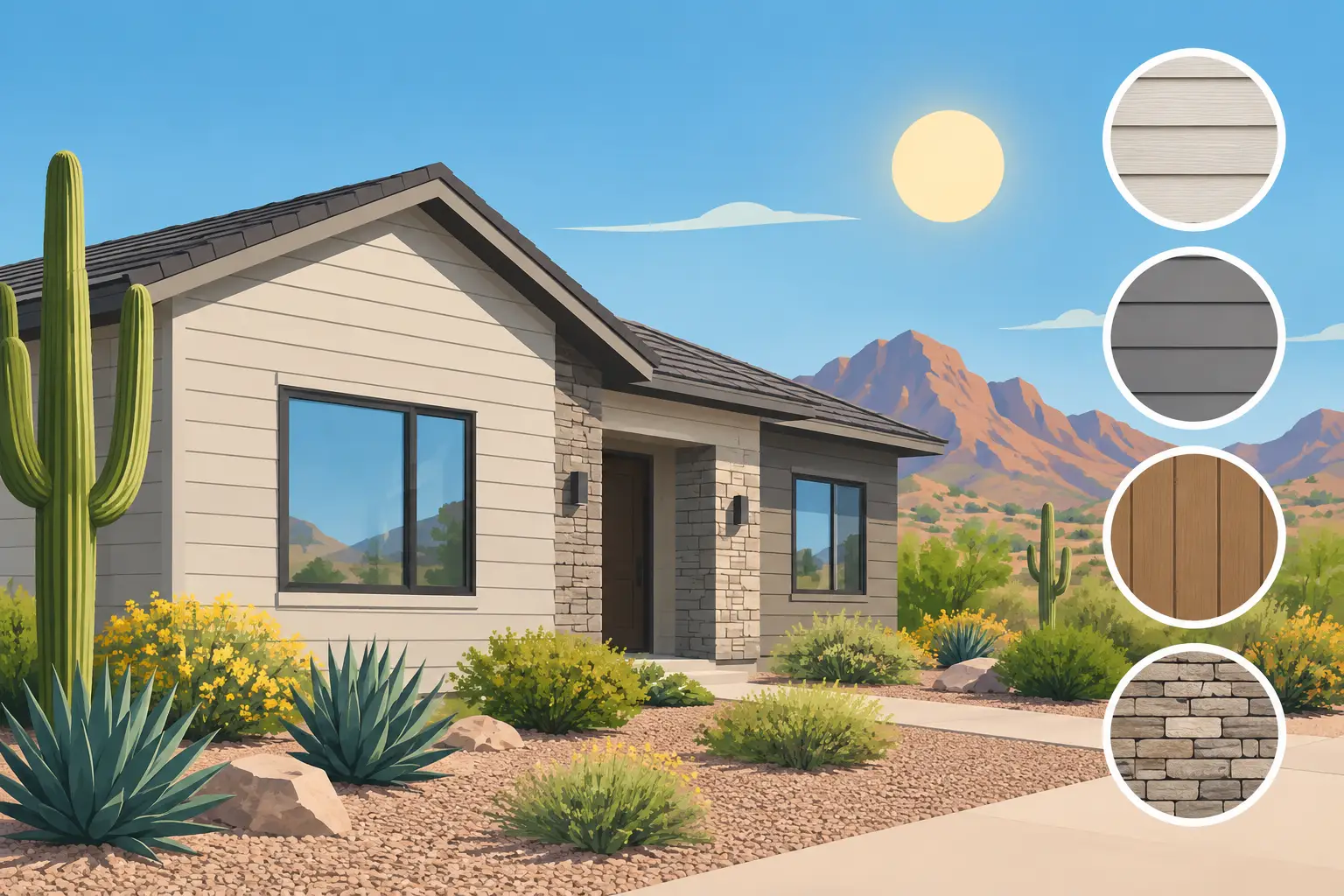
For many Arizona homes, fiber cement is the strongest all-around answer. Made from cement, sand, and cellulose fibers, it can be manufactured in lap siding, panels, shingles, and board-and-batten profiles. It offers a crisp, substantial appearance that works well with ranch homes, modern designs, Craftsman-inspired exteriors, and homes that need a more finished alternative to aging wood or worn panel siding.
Fiber cement does not rot, attracts no termites, and is not likely to warp from heat the way some lighter materials can. It is also noncombustible, a consideration for properties near desert open space or for homeowners who simply want an added layer of exterior resilience.
The trade-off is that fiber cement is not maintenance-free. Painted fiber cement eventually needs repainting, especially on sun-facing walls. It is also heavier than vinyl and requires experienced installation, careful cutting practices, and proper fastening. When installed and finished correctly, however, it delivers excellent durability with manageable upkeep. For homeowners prioritizing longevity and appearance, it is often the best long-term value.
Engineered Wood: A Warm Look With Less Upkeep Than Natural Wood
Engineered wood siding is a practical option for homeowners who want the texture and character of wood without committing to traditional wood’s regular scraping, priming, and repair needs. It is factory-treated to resist fungal decay and insects, and it is available in many profiles, including lap boards, vertical panels, and trim.
This material can be especially effective when a home needs visual warmth or a more architectural exterior. It is typically easier to cut and install than fiber cement, and it can provide a polished painted finish.
Its performance depends heavily on installation and maintenance. Engineered wood must be kept clear of soil and standing water, and damaged paint or caulk should be addressed promptly. In a dry climate like the Phoenix area, it can perform well, but neglected edges and improperly detailed openings may allow moisture intrusion during storms. It is lower maintenance than natural wood, not a substitute for attentive exterior care.
Vinyl Siding: Affordable, but Choose Carefully for Desert Heat
Vinyl siding remains popular because it is budget-friendly, does not require painting, and can be cleaned with a gentle rinse and mild soap. It is available in a wide range of colors and styles, making it an accessible option for certain exterior updates.
Arizona homeowners should approach vinyl with realistic expectations. Dark colors and walls with intense afternoon exposure can absorb substantial heat. Lower-quality vinyl may fade, become brittle over time, or distort when temperatures rise. Reflected sunlight from nearby windows can create concentrated heat that damages panels as well.
Higher-quality vinyl with a lighter color and proper installation may be a reasonable fit for shaded elevations, covered patios, or specific architectural applications. It is rarely the first recommendation for a fully exposed Arizona exterior where long-term appearance is the priority. Ask about the manufacturer’s heat-performance standards and warranty rather than selecting based on price alone.
Metal Siding: Durable, Modern, and Easy to Maintain
Metal siding, commonly aluminum or steel, gives homes and commercial properties a clean contemporary look with very little routine upkeep. It does not rot, is insect-resistant, and handles sun exposure well when finished with a quality coating. Metal panels can be an excellent choice for modern additions, accent walls, patio structures, and commercial facades.
The main considerations are appearance, noise, and installation quality. Metal can dent from severe impact, and improperly installed panels may rattle or allow water behind the cladding. Some homeowners also find that large metal surfaces feel too industrial for a traditional neighborhood setting.
With thoughtful design and proper flashing, metal siding can be one of the most durable low-maintenance options available. It works particularly well when paired with stucco, masonry, or wood-look accents rather than used across every exterior wall.
How Stucco Fits Into the Conversation
Stucco is not siding in the traditional panel or board sense, but it belongs in the conversation for Arizona homes. It is common throughout Mesa, Gilbert, Chandler, Scottsdale, and Phoenix because it suits Southwest architecture and can hold up well in dry conditions.
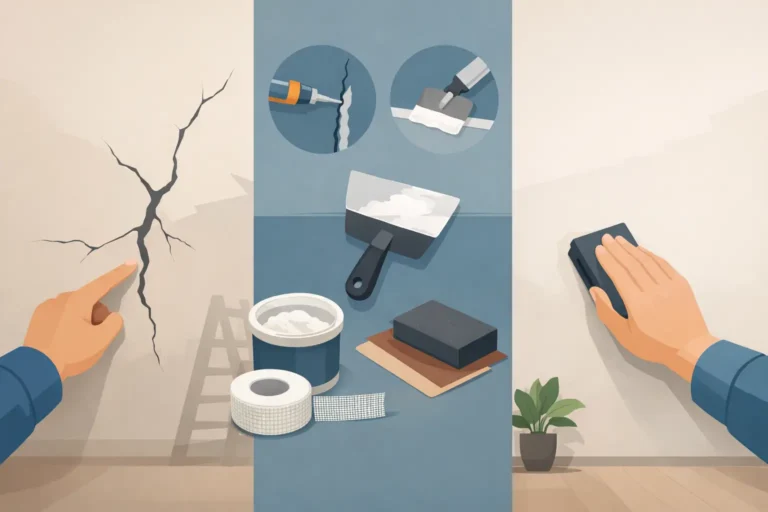
A properly maintained stucco exterior can last for decades, but it does require periodic inspection for cracks, staining, failed sealant, and moisture issues near windows or roof transitions. Hairline cracks may be cosmetic, while larger or spreading cracks can signal movement or water entry that needs professional evaluation.
For a home with existing stucco, the lowest-maintenance path may be targeted repair and a high-quality exterior coating rather than a full siding replacement. For an addition or exterior remodel, combining stucco with fiber cement or metal accents can create a durable finish with more visual dimension.
Choosing the Right Material for Your Home
The best decision starts with the wall itself. Before selecting a color or profile, inspect for soft sheathing, failed trim, cracks, water staining, pest damage, or drainage concerns. New siding installed over unresolved damage can hide a problem temporarily, not solve it.
Exposure matters next. A west-facing wall in Mesa receives a different level of stress than a shaded north-facing wall. Homes with broad roof overhangs, covered porches, mature landscaping, or nearby structures may have more flexibility in material selection. A highly exposed wall benefits from materials and finishes designed for long-term UV resistance.
Style and neighborhood context also deserve consideration. Fiber cement may complement a traditional or transitional home, while metal panels can sharpen a modern facade. Engineered wood can introduce warmth around entryways and gables. The most successful exterior updates usually use materials intentionally rather than applying one product everywhere.
Finally, consider how long you plan to own the property. A homeowner preparing to sell may prioritize immediate curb appeal and a controlled budget. Someone planning to stay for 15 years may see greater value in a higher-performing material and careful installation details that reduce future repair needs.
Installation Is What Protects the Investment
Even premium siding can fail early if the exterior assembly is not handled correctly. Water-resistive barriers, flashing at openings, kick-out flashing where roofs meet walls, properly sealed penetrations, and trim details are not optional finishing touches. They are the work that protects framing, insulation, and interior finishes.
A dependable contractor should assess the existing exterior, identify concealed repair risks before work begins, explain material options clearly, and provide a detailed scope. At D3 Construction, exterior projects are approached with that same focus on planning, workmanship, communication, and final quality verification.
The right siding should make ownership easier, not create another maintenance calendar. Choose a material that performs under Arizona conditions, then make sure the installation gives it the protection it needs to do its job for years to come.