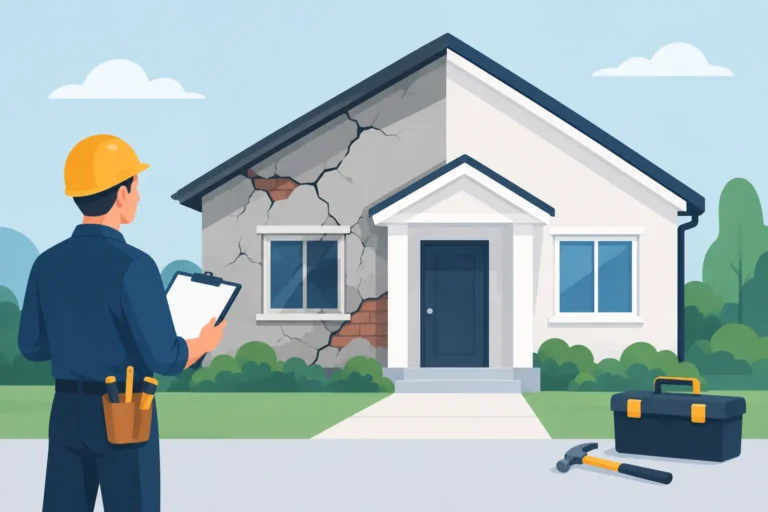

General Home Repairs That Protect Your Property
A sticking door, a ceiling stain, or a soft spot in flooring can look like a minor inconvenience at first. Yet general home repairs often reveal the condition of the systems behind your walls, under your floors, and around your exterior. Addressing them early protects your property, helps preserve its value, and prevents a manageable repair from becoming a larger renovation.
For homeowners in Mesa and throughout the East Valley, repair decisions also need to account for Arizona heat, intense sun exposure, monsoon moisture, and the natural wear that comes with an occupied home. The right solution is not always the fastest patch. It is the repair that identifies the cause, uses appropriate materials, and leaves the space safe, functional, and finished with care.
What General Home Repairs Can Include
General repairs cover a wide range of work, from visible cosmetic damage to conditions that affect a home’s structure or daily use. A qualified contractor begins by looking at the full situation rather than treating every issue as separate. For example, cracked drywall may be a simple surface repair, or it may indicate movement, moisture intrusion, or damage from a plumbing leak.
Common repair projects include drywall patching and replacement, interior and exterior painting, damaged flooring, trim repairs, door and window adjustments, cabinet damage, siding concerns, stucco repairs, and updates to worn fixtures or finishes. Repairs may also involve structural components, water-damaged materials, exterior drainage concerns, or preparing a space for a larger kitchen, bathroom, or commercial improvement project.
The scope matters because the best fix depends on what is causing the damage. Repainting a water stain without resolving the leak only delays the next repair. Replacing a loose tile without checking the subfloor can leave the same problem waiting underneath. Careful assessment is what turns repair work into a lasting improvement.
When a Small Repair Needs Professional Attention
Some household tasks are appropriate for a homeowner, such as replacing a light switch cover or touching up a small scuff on a wall. The line changes when a repair involves hidden damage, multiple construction trades, safety concerns, or a finished surface that needs to blend with the rest of the property.
Water damage is one common example. Bubbling paint, warped baseboards, soft drywall, and a persistent musty smell should be evaluated before new materials are installed. The visible damage may be limited, but moisture can affect insulation, framing, flooring, and adjacent rooms. A complete repair addresses the source, removes compromised material where necessary, and rebuilds the area properly.
Cracks deserve the same level of judgment. Hairline cracking in drywall can occur with normal settling, especially in newer homes. Wider cracks, recurring cracks, doors that no longer close correctly, or cracks accompanied by uneven flooring may require a closer structural evaluation. It is better to understand the condition early than to repeatedly repair the same finish damage.
Exterior wear is also easy to underestimate in Arizona. Sun-faded paint, loose trim, aging caulk, damaged stucco, and worn weather seals can allow water and heat to affect the building envelope. Timely exterior repairs improve appearance, but their larger purpose is protecting the materials that keep your home comfortable and durable.
A Better Process for General Home Repairs
Reliable repair work starts with a clear scope. Before construction begins, the contractor should inspect the affected area, ask questions about when the problem appeared, and identify related conditions that could influence the repair. This assessment helps distinguish a surface-level issue from a repair that requires more extensive planning.
Start With the Cause, Not Just the Symptom
A dependable repair plan explains what is damaged, why it likely happened, and what work is needed to correct it. That may include demolition, framing repair, drywall installation, texture matching, flooring replacement, painting, or coordination with plumbing and electrical work. A detailed proposal gives property owners a practical view of the project before materials are ordered or work begins.
Transparency is especially valuable when conditions may change after opening a wall or removing damaged flooring. Not every hidden issue can be predicted, but clear communication should explain how new findings will be documented, priced, and approved. That keeps decisions organized and avoids surprises.
Match Materials to the Space
Materials should fit the room, exposure, and intended use. A bathroom repair needs moisture-resistant solutions. Exterior paint and sealants must perform under strong sunlight and changing temperatures. Flooring in a high-traffic entry should be selected for durability, not appearance alone.
Color, texture, and finish matching also affect the quality of the result. A repair can be structurally sound but still look incomplete if the drywall texture, baseboard profile, grout color, or paint sheen does not connect with the surrounding space. Detail-conscious workmanship considers both performance and appearance.
Plan Around Permits and Safety
Some repairs require permits, inspections, or additional planning, particularly when structural components, electrical systems, plumbing, or major exterior changes are involved. Skipping this step may seem convenient, but it can create problems during a sale, insurance claim, or future remodel.
A licensed, bonded, and insured contractor can help determine when permitting applies and manage the work with the appropriate level of oversight. This is not unnecessary red tape. It is part of protecting the property and ensuring the repair meets applicable requirements.
Repair Now or Remodel Later?
Homeowners often face a reasonable question: should they repair the damaged area, or use the opportunity to make a larger improvement? The answer depends on the condition of the space, the budget, and long-term plans for the property.
If a bathroom has isolated drywall damage from a corrected leak, a focused repair may be the most practical choice. If the same bathroom has failing flooring, outdated fixtures, poor storage, and repeated moisture issues, a planned remodel may offer greater value than completing several separate repairs over time. The same thinking applies to kitchens, flooring, exterior updates, and commercial interiors.
A repair-first approach makes sense when the affected area is otherwise in good condition and the work will extend its useful life. Remodeling can be the better investment when repairs would only preserve a layout or finish that no longer serves the property owner. A knowledgeable contractor can outline both paths without pressuring you toward more work than the project requires.
How Homeowners Can Prepare for Repair Work
A little preparation helps work move efficiently and protects your belongings. Clear the immediate area, remove wall décor and fragile items, and make arrangements for pets if workers will need access to the home. For repairs involving dust, noise, or temporary loss of a room, ask about containment, daily cleanup, work hours, and expected access requirements before the project starts.
It also helps to collect useful information before the assessment. Photos of the damage when it first appeared, notes about leaks or prior repairs, and details about the age of finishes can help identify patterns. If you have paint colors, flooring records, or material samples, share them early. Exact matches are not always available, particularly in older homes, but this information can make the selection process more accurate.
Most importantly, communicate your priorities. Some clients need the repair completed quickly before guests arrive, a tenant moves in, or a business reopens. Others are focused on a long-lasting solution that coordinates with a future renovation. A clear timeline and budget allow the contractor to recommend an approach that fits the actual goal.
Choosing Accountability Over Quick Fixes
The lowest estimate is not always the lowest total cost. Incomplete scopes, low-grade materials, poor preparation, and vague scheduling can lead to additional work later. A stronger standard is to choose a contractor that explains the scope, maintains communication, protects the jobsite, and completes a final walkthrough to confirm the work meets expectations.
D3 Construction LLC approaches repairs as part of the larger responsibility of caring for a property. From the initial assessment through material decisions, construction, and final quality verification, the goal is to provide one accountable point of contact for work that needs to be done correctly.
General home repairs are easier to manage when they are addressed before damage spreads and planned with the full property in mind. If something in your home has changed, document it, ask the right questions, and give the repair the attention it deserves before a small concern asks for a much larger solution.