Energy Efficient Renovation for Mesa Homes
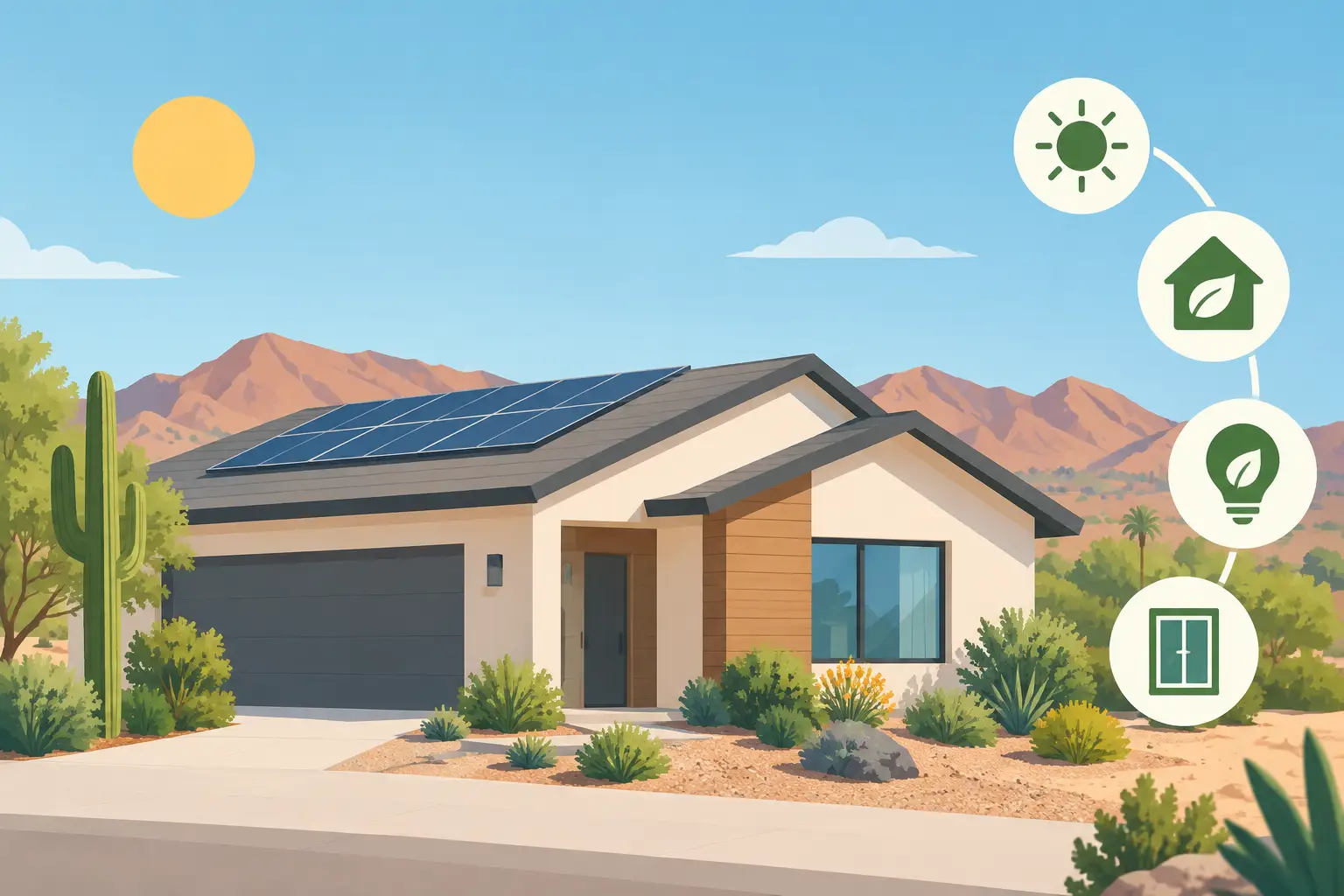
A Mesa home can look well maintained and still work harder than it should against the Arizona sun. If certain rooms stay hot, your air conditioner runs constantly, or utility bills climb through summer, an energy efficient renovation can address the building itself rather than asking your HVAC system to carry the entire load. The best improvements are not always the most visible, but they can make everyday living noticeably more comfortable.
For homeowners, the goal is usually not to chase a single efficiency rating. It is to create a home that holds cooled air better, manages intense solar heat, and performs reliably without sacrificing the style or function of the space. That takes a plan built around your home’s age, construction, condition, and budget.
Start an Energy Efficient Renovation With the Right Priorities
Not every upgrade produces the same result. In the East Valley, heat gain through windows, roofs, exterior walls, doors, ductwork, and attic spaces can all affect indoor comfort. A beautiful new kitchen or bathroom can also be an opportunity to correct hidden issues behind the finishes, but only if those needs are identified before construction begins.
A thorough site assessment helps establish where money will make the greatest difference. For example, replacing a single inefficient exterior door may be more useful than changing decorative interior elements if that door allows hot air and dust into the home. Likewise, a window replacement project should consider sun exposure, shading, installation quality, and wall condition, not just the glass package.
This is why sequencing matters. It often makes sense to improve the home envelope first, then consider equipment upgrades. When a home loses less conditioned air and absorbs less outdoor heat, the HVAC system may operate more effectively. The right order depends on the property, though. A failing air conditioner, active roof leak, or damaged exterior may need immediate attention before broader renovation work begins.
Improvements That Matter in Arizona Homes
Energy performance is rarely the result of one dramatic change. It is usually the combined effect of several practical improvements that limit heat transfer and air leakage while making rooms easier to use.
Windows, doors, and exterior sealing
Old windows and poorly fitted exterior doors can be a frequent source of unwanted heat, drafts, and air loss. Modern replacement windows may improve performance, particularly on west- and south-facing elevations that receive heavy afternoon sun. Features such as low-emissivity coatings, appropriate glazing, and well-built frames can help reduce solar heat gain without making the home feel dark.
Installation is as important as the product. Gaps around a window or door can undermine an otherwise solid upgrade. During exterior renovation work, attention should also go to weatherstripping, caulking, flashing, trim, and any signs of water intrusion. These details protect the structure and support better energy control at the same time.
Window replacement is not automatically the best first move for every property. If existing windows are structurally sound, selective improvements such as solar screens, exterior shading, or repair may be a more practical fit for the budget. A contractor should help distinguish between a necessary replacement and an improvement that can wait.
Insulation and attic conditions
The attic is one of the most important areas to evaluate in a desert climate. Heat that builds beneath the roof can transfer into living spaces, especially when insulation is insufficient, unevenly installed, or disturbed by previous work. Proper insulation helps slow that transfer and can improve comfort in rooms that are consistently difficult to cool.
Attic work should also account for ventilation, penetrations around wiring and plumbing, and the condition of ducts located above the ceiling. Simply adding insulation without considering air leaks or moisture pathways can leave problems unresolved. Good planning protects access, avoids compressing insulation, and makes sure the work supports the home’s overall performance.
Roofing and exterior upgrades
A roof does more than keep out rain. Its condition, color, materials, and ventilation can affect how much heat reaches the attic. When roof repair or replacement is already necessary, it is a sensible time to discuss materials and assemblies that fit the building and local climate.
Exterior wall repairs, new siding or stucco work, and paint projects can also create opportunities to seal gaps and address damage around penetrations. Lighter exterior colors may help reflect more sunlight, but appearance, neighborhood requirements, maintenance expectations, and material compatibility should guide the final choice. Energy savings are valuable, but the exterior still needs to be durable and properly installed.
Kitchens, bathrooms, and lighting
Interior remodels can support efficiency in quieter ways. A kitchen renovation may include LED lighting, efficient ventilation, well-planned appliance locations, and insulated plumbing where accessible. In a bathroom, low-flow fixtures can reduce water use while maintaining a comfortable daily routine. These choices are especially meaningful in Arizona, where water conservation is part of responsible property ownership.
Lighting upgrades are often straightforward, but layout matters. Better task lighting can reduce the need to illuminate an entire room at full brightness. Dimmer controls, occupancy sensors in appropriate areas, and layered lighting can improve usability as well as reduce unnecessary energy use.
Avoid Treating Efficiency as a Product Checklist
It is easy to focus on labels, ratings, and individual products. Those details matter, but an energy efficient renovation is most successful when the home is considered as a connected system. A tightly sealed home with unresolved ventilation needs can create indoor air-quality concerns. New windows may improve comfort, but they will not solve a duct leak or inadequate attic insulation on their own.
There are also practical trade-offs. Higher-performing materials can carry a larger upfront cost, and the payback period varies based on utility use, home orientation, existing conditions, and how long you plan to own the property. Some projects are worth doing because they solve a maintenance problem and improve efficiency at the same time. Others may be better phased over several years.
For commercial properties, the same principle applies with additional concerns around operating hours, occupant comfort, lighting loads, and business continuity. An office, retail space, or rental property may benefit from upgrades that reduce maintenance demands and improve the experience of tenants or customers. The construction schedule should be coordinated carefully to minimize disruption.
Plan the Work Before Finishes Are Selected
The most costly surprises often appear after demolition begins. Before selecting cabinets, flooring, tile, or paint, establish whether the project involves damaged framing, aging insulation, electrical updates, plumbing changes, or exterior repairs. A detailed scope gives you a clearer picture of what is behind the walls and where energy-related improvements can be included efficiently.
Permits may be required when a renovation changes electrical systems, plumbing, structural elements, windows, or mechanical equipment. Professional planning helps ensure the work follows applicable requirements and that inspections occur at the right stages. This is not just paperwork. Permitting and inspection can help protect the quality, safety, and long-term value of the project.
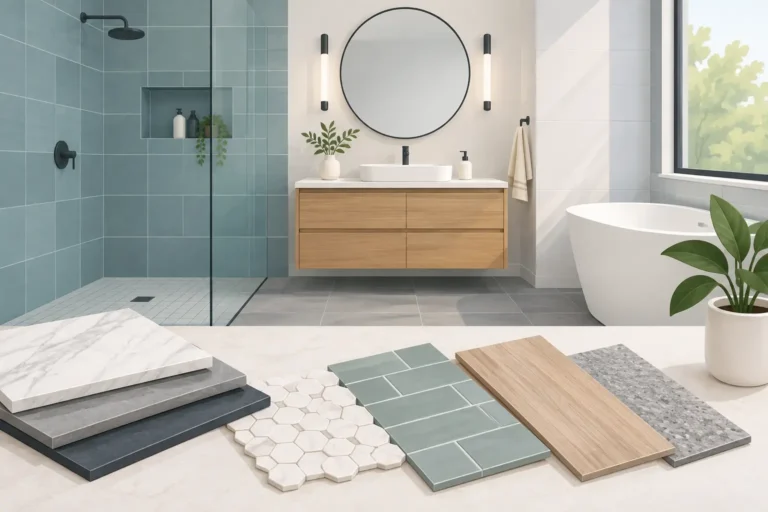
Material selections should reflect the demands of the space. In a high-traffic entry or sun-exposed room, durability may be just as important as efficiency. In a bathroom, moisture resistance and ventilation are essential. The right recommendation is rarely a one-size-fits-all product. It should match the condition of the property, the project goals, and the level of maintenance you are prepared to take on.
Choose a Contractor Who Coordinates the Details
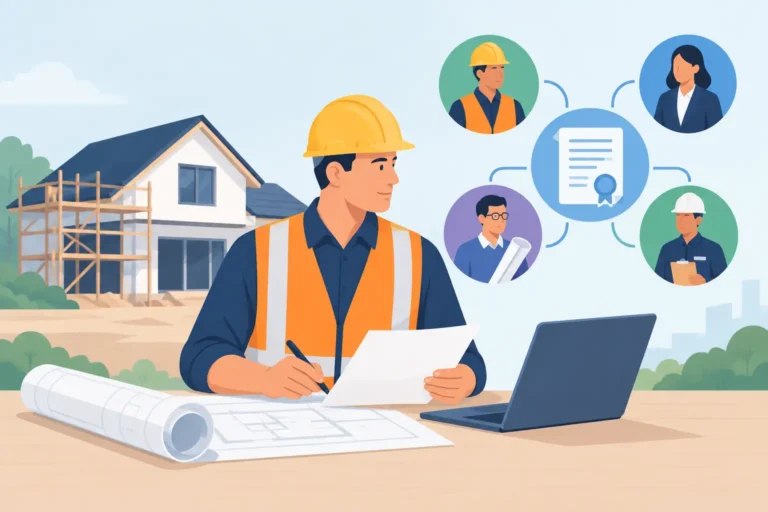
An energy-focused remodel can involve carpentry, drywall, insulation, windows, doors, roofing, painting, electrical work, plumbing, and finish installation. Coordinating those pieces through one accountable contractor helps prevent gaps between trades and keeps the project aligned with the original plan.
D3 Construction approaches renovation work with a detailed assessment, clear proposal, material guidance, project coordination, and final walkthrough. For homeowners and property managers, that process provides a direct path from identifying a comfort or repair issue to completing work that looks finished and performs as intended.
Before starting, write down the rooms that feel uncomfortable, the times of day the problem is worst, and any signs of drafts, leaks, or unusually high utility use. Those observations give a contractor useful context during the assessment. A well-planned renovation does more than update a property – it helps your home stay comfortable through another Arizona summer while protecting the investment you have already made.