
Construction Material Review for Arizona Remodels
A bathroom vanity that looks excellent in a showroom can fail quickly if its materials are not suited to daily moisture. Exterior paint can fade or peel early when the product and surface preparation do not account for Arizona heat. That is why a thoughtful construction material review belongs at the beginning of a repair or remodeling project, not after selections have already been made.
For Mesa-area homeowners and property managers, the right choice is rarely the most expensive option or the trendiest finish. It is the material that fits the space, performs under local conditions, supports the intended use, and stays within the project budget without creating avoidable maintenance later.
What a Construction Material Review Should Cover
Material decisions affect far more than appearance. They influence how a room feels, how long a repair lasts, how much upkeep is required, and whether the finished work holds up to normal use. A useful construction material review compares materials against the real demands of the property rather than relying on a single feature, such as color, price, or brand name.
For interior projects, that often means considering moisture, foot traffic, cleaning habits, pets, children, and sunlight exposure. For exterior work, it means accounting for intense UV exposure, temperature swings, wind-driven dust, and the condition of the existing structure. Commercial spaces add another layer: materials may need to tolerate frequent use while keeping disruption and long-term maintenance manageable.
The review should also look at what sits behind the visible finish. The best flooring or tile installation can still have problems if the subfloor is uneven, damaged, or not properly prepared. New drywall, paint, cabinetry, or siding must connect correctly with the surfaces and systems already in place. Lasting results depend on both quality materials and detailed workmanship.
Performance comes before appearance
Most homeowners begin with a look they want to achieve. That is a reasonable starting point, especially in a kitchen, bathroom, or major interior update. However, a dependable selection process asks performance questions first: Will this material resist water? Can it handle daily traffic? Does it expand, contract, scratch, stain, or fade under expected conditions?
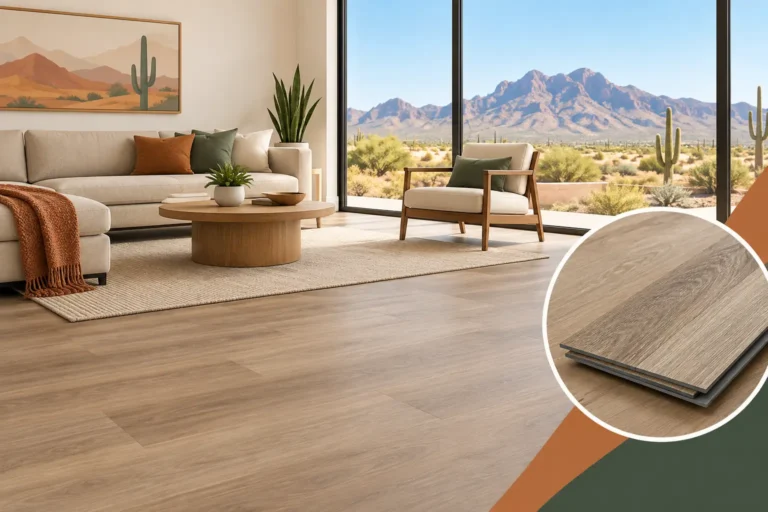
Consider flooring as an example. Luxury vinyl plank can be an excellent option for many busy households because it is comfortable underfoot, offers strong water resistance, and comes in a wide range of styles. Tile can provide even greater durability and heat resistance, especially in entryways, bathrooms, and kitchens, but it may feel harder underfoot and requires a sound, properly prepared substrate. Engineered wood can bring warmth and character to a living area, yet it needs more protection from standing water and may not be the right fit for every household.
There is no universal winner. The right floor depends on the room, the people using it, and the homeowner’s priorities.
Arizona conditions change the equation
Phoenix-area weather makes exterior material choices especially important. Strong sunlight, high temperatures, and dry conditions can be hard on finishes that are not designed or installed for the environment. Exterior paint needs appropriate preparation, compatible primers, and products rated for the surface and climate. Caulking and sealants must remain flexible enough to move with building materials as temperatures change.
Shade also matters. A south- or west-facing wall, patio, or door receives different exposure than a protected area of the home. Materials that perform well in one location may need additional protection or a different finish in another. During site assessment, looking at sun direction, drainage, existing damage, and ventilation can prevent a selection from becoming an early repair.
Reviewing Materials by Project Type
A practical construction material review becomes clearer when materials are evaluated where they will actually be used. The needs of a bathroom are not the needs of a storefront, and a kitchen upgrade should not be specified the same way as an exterior repair.
Kitchens: balance daily use and cleanability
Kitchen materials need to tolerate repeated cleaning, heat, spills, and impact. Countertop selection usually involves a trade-off between appearance, maintenance, and budget. Quartz is popular because it offers a consistent appearance and simple everyday care. Natural stone can provide distinctive character but may require sealing and more attentive maintenance. Laminate remains a cost-conscious option with many updated styles, though its resistance to heat and impact differs from premium surfaces.
Cabinet construction deserves as much attention as the door style. Box materials, hinges, drawer hardware, and installation quality affect how cabinets operate year after year. In a busy kitchen, dependable hardware and a well-planned layout can be more valuable than a finish upgrade that does not improve function.
Bathrooms: manage moisture at every layer
Bathrooms demand careful attention because water reaches more than the visible surfaces. Tile, grout, shower pans, waterproofing systems, backer boards, fixtures, and ventilation all work together. Selecting attractive tile is only one part of a successful bathroom remodel.
Porcelain tile is often a strong choice for showers and floors because it is dense, durable, and available in many styles. Larger tiles can create a clean, modern look with fewer grout lines, but they may require a flatter substrate and more exact installation. Smaller tiles can work well on shower floors where added grout lines improve traction. The best choice depends on the layout, drainage, and desired level of maintenance.
Drywall, paint, and interior repairs: preparation is the material
For repaired walls and refreshed interiors, the finish is only as good as the preparation beneath it. Proper patching, taping, texturing, sanding, priming, and paint selection make the difference between a repair that disappears and one that remains visible in changing light.
Paint sheen should match the room’s use. Higher-sheen products can be easier to clean but may highlight wall imperfections. Lower-sheen finishes can create a softer look but may be less forgiving in high-contact areas. A professional assessment helps identify when additional surface repair is needed before painting begins.
Exterior repairs: protect the building envelope
Exterior material decisions should focus on protection first. Damaged trim, stucco cracks, worn sealant, deteriorated fascia, and failing paint can allow moisture and pests to affect areas that are more expensive to repair later. The visible repair needs to address the cause, not just cover the symptom.
For example, a recurring crack may be connected to movement, drainage, or a failed joint. A repair plan should determine whether patching is sufficient or whether surrounding materials require attention. This is where licensed, insured construction guidance helps homeowners make decisions based on condition and scope rather than guesswork.
Cost Means More Than the Purchase Price
A lower-priced material can be a smart choice when it fits the location and expected lifespan of the project. It becomes costly when it requires frequent replacement, creates installation issues, or does not meet the demands of the space. Likewise, a premium product is not automatically a better investment if it adds expense without solving a real performance need.
When comparing options, consider the installed cost, expected upkeep, repairability, warranty terms, and the effect on the overall schedule. Availability matters as well. A special-order finish may be worthwhile for a focal area, but it can extend a project timeline or make future matching more difficult.
A detailed proposal should separate major material allowances, labor, preparation, and any required repairs so clients understand where their investment is going. Clear information makes it easier to choose confidently and avoid surprises during construction.
A Better Way to Make Final Selections
Material selection works best when it follows the site assessment and project scope. Measurements, existing conditions, structural concerns, plumbing locations, natural light, and budget should guide the available choices. Samples are useful, but they should be viewed in the actual room whenever possible. Lighting can change a paint color, flooring tone, or countertop pattern significantly.
At D3 Construction, material and design conversations are tied to the full project plan, from preparation and permitting through installation and final walkthrough. That approach helps ensure the finished selection is not only visually right but also practical for the home or commercial property.
Before approving a material, ask whether it fits the space, the climate, the expected maintenance level, and the budget for the entire project. A well-chosen finish should give you confidence long after the dust is cleaned up and the room is back in use.