Water Pressure Problems in Mesa Area Homes
A shower that fades to a trickle when someone starts the dishwasher is more than an everyday annoyance. Water pressure affects how comfortably a home functions, how well fixtures perform, and, in some cases, whether a hidden plumbing issue is getting worse behind a wall or below a slab. For Mesa-area homeowners, finding the cause early can prevent unnecessary disruption during a repair or remodeling project.
Not every low-flow faucet points to a major problem. A clogged aerator can be a quick fix, while pressure changes throughout the house may call for a more careful assessment. The key is knowing what the symptoms are telling you before replacing fixtures, opening walls, or starting a bathroom or kitchen renovation.
What Normal Water Pressure Should Feel Like
Water pressure is the force that moves water through your plumbing lines. It is different from water flow, although the two are often confused. Pressure is measured in pounds per square inch, or PSI. Flow is the amount of water delivered over time, commonly measured in gallons per minute.
A home can have acceptable pressure at the main line but poor flow at one showerhead because mineral buildup is restricting that fixture. Conversely, a home with consistently weak performance at multiple faucets may have a broader supply or plumbing issue.
Most residential systems are designed to operate within a range that provides dependable performance without putting excessive strain on pipes, valves, appliances, and fixtures. Pressure that is too high can be just as concerning as pressure that is too low. Excessive pressure can shorten the service life of supply lines, faucet cartridges, water heaters, and appliance connections.
Common Causes of Low Water Pressure
The location and timing of the problem provide useful clues. If only one fixture is affected, the cause is often close to that fixture. If the issue appears across the home, the source may be at the main supply, pressure regulator, or older plumbing system.
Mineral Buildup at Fixtures
Arizona’s hard water is a frequent factor in reduced water flow. Mineral deposits can collect in faucet aerators, showerheads, cartridge openings, and appliance supply screens. A bathroom faucet may seem weak even though the rest of the home has normal pressure.
Start by checking whether the problem is isolated. A removable aerator or showerhead can often be cleaned or replaced, but repeated buildup may be a sign that fixtures need ongoing maintenance. During a bathroom remodel, selecting quality fixtures with accessible components can make future service simpler.
A Failing Pressure Regulator
Many homes have a pressure-reducing valve, also called a pressure regulator, near the main water entry point. Its job is to lower incoming municipal pressure to a safe level for the home’s plumbing system. When this valve begins to fail, homeowners may notice inconsistent pressure, a sudden drop in performance, or pressure that is unusually high at certain times.
A regulator is not a do-it-yourself adjustment point unless the homeowner understands the system and has confirmed the actual pressure with a gauge. Improper adjustments can create bigger problems, including stress on pipes and water-connected appliances. A qualified plumbing professional can test the system and determine whether replacement is appropriate.
Partially Closed Valves
A main shutoff valve or water meter valve that is not fully open can restrict water to the entire house. Individual fixture shutoff valves can also cause reduced flow at a toilet, sink, refrigerator line, or washing machine.
This issue sometimes appears after a repair, water heater replacement, or extended vacancy. Before assuming there is a hidden leak, a professional can check valve positions and condition as part of a straightforward diagnostic process.
Leaks in Supply Lines
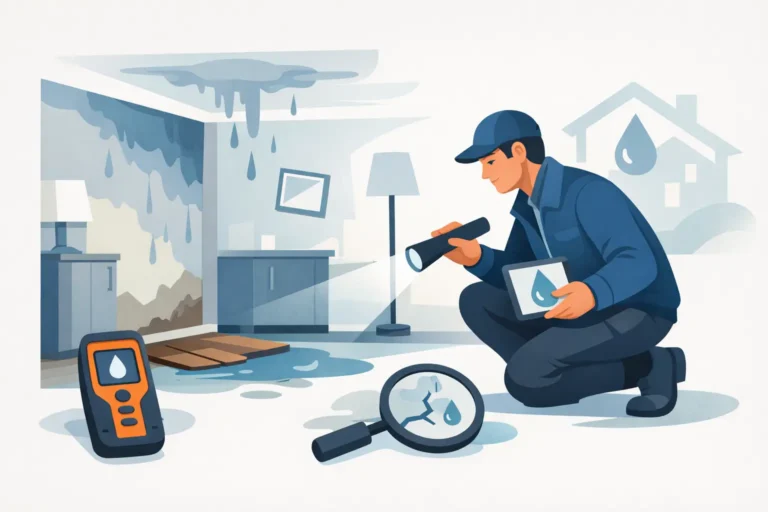
A water leak does not always leave a visible wet spot. A leak below a slab, in a wall cavity, or in an exterior line can reduce available pressure and increase water use. Other warning signs include a water meter that continues moving when all fixtures are off, unexpectedly high utility bills, damp flooring, warm spots on a slab, or the sound of running water with no fixture in use.
A suspected hidden leak deserves prompt attention. Waiting can lead to damaged drywall, flooring, framing, cabinetry, or finishes. For a remodeling project, the repair should be addressed before new tile, paint, or cabinets are installed. Building over an unresolved water issue only creates more costly work later.
Aging or Corroded Pipes
Older homes may contain pipe materials that have narrowed internally over time. Corrosion and mineral scale can reduce the usable interior diameter of a line, limiting flow at multiple fixtures. The symptoms often develop gradually, which makes them easy to overlook until a renovation brings expectations for a better-performing kitchen or bathroom.
Pipe replacement is a larger decision, and it depends on the material, accessibility, condition, budget, and scope of the project. Sometimes a targeted repair solves the immediate concern. In other cases, opening walls for a bathroom or kitchen remodel creates a practical opportunity to update aging supply lines while access is available.
Why Water Pressure Can Be Too High
Strong pressure may feel convenient at the shower, but it can be hard on a home’s plumbing system. Frequent dripping at faucets, recurring toilet fill-valve issues, noisy pipes, leaking appliance hoses, and premature fixture failures can all be associated with excessive pressure.
A pressure gauge attached to an exterior hose connection can provide a basic reading, but one reading does not always tell the full story. Pressure can change at different times of day, and the system may behave differently while water is being used. A plumbing professional can evaluate pressure under appropriate conditions and inspect the regulator, expansion tank, and related components when necessary.
How to Narrow Down the Problem Before Calling
Homeowners do not need to diagnose plumbing failures on their own, but a few observations can make the service visit more efficient. Note whether the issue affects hot water, cold water, or both. Check whether it occurs at one fixture or throughout the property. Pay attention to whether pressure drops only when another fixture, appliance, or irrigation system is running.
It also helps to consider when the problem started. Did it begin after a water heater replacement, a nearby utility repair, a remodel, or a period away from home? Have you noticed leaks, unusual plumbing sounds, discolored water, or a higher utility bill? Clear details help the right trade identify the cause without guesswork.
Avoid repeatedly turning valves, changing regulator settings, or using chemical drain products to address a pressure concern. Drain clogs affect drainage, not the pressure of incoming water. Chemicals can damage certain pipes and do not solve a supply-side problem.
Plan for Plumbing During a Remodel
Water pressure should be part of the early planning conversation for a kitchen or bathroom renovation. New fixtures can improve appearance and day-to-day comfort, but they cannot compensate for undersized, corroded, leaking, or poorly regulated supply lines. A beautiful shower system will still disappoint if the plumbing behind it cannot support the desired performance.
A well-planned project considers fixture locations, pipe condition, shutoff access, water heater capacity, and the needs of the household. For example, a larger shower with multiple outlets may require more than a cosmetic update. It may require plumbing design decisions that account for available flow, hot water demand, and local code requirements.
For projects involving walls, floors, cabinets, or structural repairs, coordinating the plumbing assessment before finishes are selected protects the schedule and budget. D3 Construction LLC helps clients organize repair and remodeling work with clear scopes, practical planning, and careful coordination with qualified trades when a project requires it.
When to Schedule Professional Help
Call for a professional evaluation when water pressure changes suddenly throughout the home, pressure is consistently weak at several fixtures, pipes are making new noises, or there are signs of a hidden leak. The same applies when pressure seems unusually strong, especially if fixture parts and supply hoses are failing repeatedly.
For a single slow faucet or showerhead, cleaning the aerator or fixture screen may be reasonable. If that does not restore performance, the next step is to investigate the shutoff valve, cartridge, or branch line rather than simply installing another fixture.
A home should feel dependable at the kitchen sink, in the shower, and during the busiest part of the morning. Addressing water pressure concerns before they affect finishes, appliances, or a planned renovation helps keep the work focused on improving your property instead of repairing avoidable damage.