
Remodel Allowance Meaning for Your Project
A bathroom proposal can look complete until you reach a line item that says “tile allowance: $2,000.” That number may be reasonable, but it is not necessarily the final price of your tile. Understanding remodel allowance meaning before construction begins helps you compare proposals accurately, make confident selections, and avoid preventable changes to your budget.
An allowance is not a red flag by itself. It is a practical tool contractors use when a product, finish, or fixture has not been selected when the proposal is prepared. The key is knowing exactly what the number includes, what happens if your choices cost more or less, and when you need to make final decisions.
What Does Remodel Allowance Mean?
A remodel allowance is a set amount included in a construction proposal for a product or part of the work that has not been finalized. It is a placeholder budget, rather than a firm price for one specific item.
For example, a kitchen remodeling proposal may include a $1,500 allowance for a kitchen sink and faucet. At the time of estimating, the homeowner may not have chosen the exact sink material, size, brand, or faucet style. The contractor uses the allowance to keep the proposal moving while giving the homeowner time to select products that fit the design.
Once the product is chosen, the allowance is reconciled against the actual cost. If the selected sink and faucet cost $1,300 and the contract allows unused funds to be credited, the project total may decrease by $200. If the selections cost $1,850, the project total may increase by $350, subject to the terms of the agreement.
Allowances are common in remodeling because a client should not have to choose every cabinet pull, light fixture, and shower valve before an initial proposal can be created. Still, they require clear communication. A low allowance can make an estimate appear more affordable than the finished project will be.
Common Items That May Have Allowances
Allowances are most often used for finish materials and fixtures with a wide range of price points. In a Mesa-area home remodel, this can include flooring, tile, plumbing fixtures, lighting fixtures, countertops, cabinetry hardware, appliances, mirrors, and paint upgrades.
A bathroom tile selection shows why the details matter. Basic ceramic tile may fall comfortably within an allowance, while large-format porcelain, natural stone, handcrafted tile, or an intricate mosaic pattern can exceed it. The material cost is only one consideration. Larger tiles may require different preparation, specialty cuts, additional waste, or more installation time.
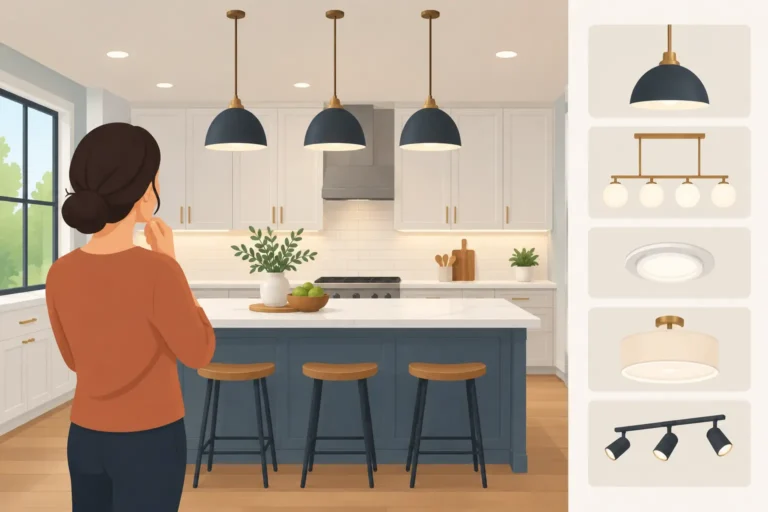
The same applies to lighting. A proposal may carry an allowance for decorative fixtures, but the electrical labor to install a standard fixture is different from the labor needed for a heavy chandelier, a new ceiling support, or a fixture that requires added wiring. The proposal should make it clear whether the allowance covers the product only or both the product and installation.
Allowance vs. Fixed Price: Know the Difference
A fixed-price line item is priced around a defined scope and specific materials. If a proposal identifies a particular flooring product, square footage, installation method, and trim details, the contractor can usually provide a firm amount for that work.
An allowance is less certain because one or more choices remain open. This flexibility can be helpful early in planning, especially when you are still comparing colors and finishes. It can also create budget risk when too many major items are left undefined.
Neither approach is automatically better. A homeowner who already knows the exact cabinet line, countertop material, and appliance package may benefit from a proposal with more fixed pricing. A homeowner still working through design options may prefer reasonable allowances while decisions are being made. What matters is that the proposal accurately reflects the expected quality level and that changes are documented before work proceeds.
What a Clear Allowance Should Include
The word “allowance” alone does not provide enough information. Before signing a remodeling contract, ask for the assumptions behind each allowance. A detailed proposal should identify the item, the dollar amount, and whether sales tax, delivery, fabrication, installation, or related materials are included.
For material allowances, also ask whether the amount is based on retail pricing, contractor pricing, or a specific local supplier. This matters because a fixture that appears to fit the budget online may have shipping costs, unavailable parts, or a different local price.
It is equally important to understand the process for overages and credits. Will the contractor issue a written change order if selections exceed the allowance? When is payment due? If you select an item below the allowance, will the difference be credited to the project? Written answers protect both the client and contractor from misunderstandings.
Questions to Ask Before You Approve a Proposal
Ask what product level the allowance is intended to cover. A $500 faucet allowance may be generous for one bathroom and inadequate for a premium wall-mounted fixture with separate valves and trim.
Ask whether labor is fixed or can change with the product selection. Ask what happens if materials are backordered or discontinued. Finally, ask when selections must be made to protect the construction schedule. These conversations are straightforward, but they can prevent a delay after demolition has already begun.
How to Keep Allowances From Disrupting Your Budget
Start by setting a realistic overall investment range for the remodel, including a contingency for conditions that cannot be seen until construction starts. Allowances address unknown selections. A contingency addresses potential site conditions, such as hidden water damage, outdated wiring, or structural repairs. They are different parts of a responsible project budget.
Next, prioritize decisions that have the greatest effect on cost and schedule. Cabinets, countertops, tile, plumbing fixtures, appliances, and windows often need to be selected earlier than decorative accessories. Their dimensions and lead times can affect framing, rough plumbing, electrical placement, fabrication, and installation dates.
Do not judge two proposals by the bottom-line number alone. Compare the allowances side by side. One contractor may include $3,000 for flooring while another includes $1,500 for the same area. The lower proposal may not be a better value if your preferred material is likely to cost closer to the higher figure.
A helpful approach is to visit suppliers or review product options before finalizing the contract. You do not need every detail resolved immediately, but selecting a few major finishes can turn broad allowances into more dependable pricing. Keep copies of chosen products, model numbers, colors, and approved quotes so everyone is working from the same information.
When an Allowance May Need to Change
Even a carefully planned remodel can require an allowance adjustment. A product may be discontinued, a homeowner may change direction after seeing samples in the space, or a selected item may require additional components. In older homes, existing conditions can also affect installation requirements.
The right response is not to ignore the change until the final invoice. A professional process uses a written change order that explains the requested selection or added work, shows the cost difference, and receives approval before the work moves forward whenever possible.
This is especially valuable in kitchens and bathrooms, where one choice can affect several trades. Moving from a standard sink to a farmhouse sink, for instance, may affect cabinet modifications, countertop cutouts, plumbing connections, and the installation schedule. Clear documentation keeps the project organized and gives you control over decisions that affect your investment.
A Better Way to Review a Remodeling Estimate
When reviewing a proposal, look for a detailed scope of work first. It should explain what will be removed, repaired, installed, protected, and completed, along with any exclusions. Then review the allowances as part of that scope, not as isolated numbers.
The most dependable estimate is not always the one with the fewest allowances. It is the one that clearly identifies what is known, what remains to be selected, and how costs will be managed as decisions are made. Licensed, insured contractors should be willing to walk through those details, answer practical questions, and provide documentation when choices change.
At D3 Construction, that clarity starts with listening to the goals for your space, assessing the site, and building a proposal around the work and finish level you expect. A well-defined allowance gives you room to personalize the result without losing sight of the budget, schedule, or quality standards that make a remodel worth doing.
Before choosing finishes, ask for the allowance details in writing and compare them with the products you genuinely want in your home. That simple step turns a placeholder number into a plan you can build on with confidence.