7 Top Signs Foundation Repair Is Needed at Home
A hairline crack in one wall may be a routine cosmetic issue. But when cracks widen, doors stop closing, or floors begin to slope, the concern moves beyond appearance. Knowing the top signs that foundation repair is needed helps Mesa-area homeowners respond early, protect their property, and avoid planning a renovation around an unresolved structural problem.
Foundation concerns do not always mean a home is unsafe or that extensive repair is inevitable. Arizona homes can show minor movement as materials expand and contract in extreme heat, and small drywall cracks can occur with normal settling. The key is to look for patterns, changes over time, and signs appearing in more than one part of the house.
Top Signs Foundation Repair Is Needed
1. Cracks that are growing, wide, or repeated
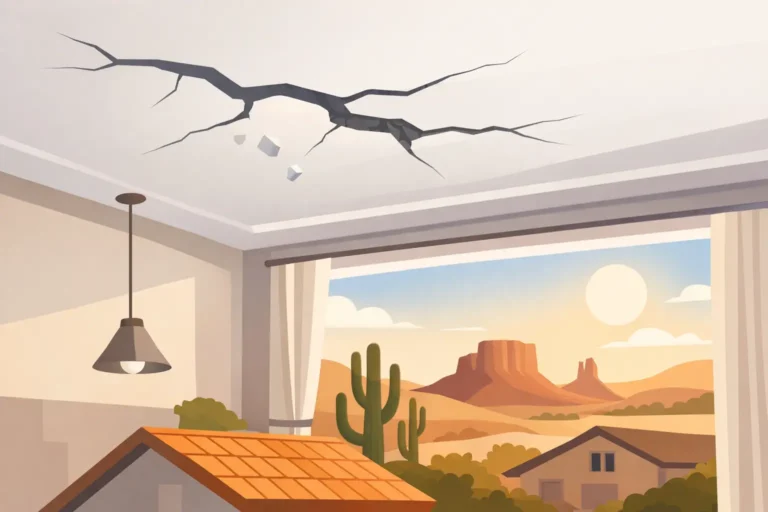
Not every crack points to a foundation issue. Thin, stable hairline cracks in drywall are common, particularly near doors, windows, and ceiling joints. Cracks deserve closer attention when they become wider, continue to lengthen, return after patching, or appear in several rooms.
Diagonal cracks extending from the corners of windows and doors can be especially telling. So can stair-step cracks in brick, block, or exterior masonry. These patterns may indicate that one section of the structure is moving differently from another. A professional assessment can determine whether the cause is foundation settlement, framing movement, moisture intrusion, or a separate surface-level issue.
2. Doors and windows that suddenly stick or will not latch
A door that has always rubbed slightly in a humid season is not automatically a structural emergency. However, several doors and windows that become difficult to open, close, or latch can signal a shift in the framing. As a foundation moves, the openings above it may lose their original square alignment.
Watch for doors that swing open on their own, uneven gaps around door frames, windows that bind in their tracks, or newly separated trim. These symptoms are more meaningful when they occur alongside wall cracks or uneven floors.
3. Floors that slope, dip, or feel uneven
A noticeably sloped floor is one of the more direct signs to investigate. You might first notice a rolling object traveling across the room, furniture that no longer sits level, tile cracks, or a soft, dipping sensation underfoot. In homes with slab foundations, floor movement may relate to soil conditions or structural settlement. In raised-floor areas, it can also involve framing or support concerns.
Flooring itself can create misleading clues. Loose tile, worn carpet padding, or an improperly installed floor can feel uneven without indicating a foundation problem. That is why the full pattern matters. A careful site review should consider the floor, walls, exterior conditions, drainage, and the age and layout of the home before recommending a repair.
4. Separation at walls, ceilings, cabinets, or exterior trim
Gaps often tell a clearer story than a single crack. Look along the line where walls meet ceilings, where baseboards meet flooring, and where cabinets meet walls. New separation can occur when parts of the home shift at different rates.
Outside, inspect fascia boards, trim, brick veneer, stucco transitions, and the connection between a patio or walkway and the house. A gap between a concrete patio and the home does not always mean the foundation is failing. Patios and walkways commonly settle independently. Still, widening separation near the structure should be documented and evaluated, particularly if water can enter the gap.
5. Cracked slabs, tile, or masonry around the property
Concrete cracks are common in the Phoenix area, where high temperatures and dry conditions put stress on exterior materials. A small, isolated crack in a driveway may be mainly a maintenance concern. Cracks that are wide, offset vertically, spreading, or located near the home’s perimeter deserve more attention.
Interior tile cracking can also be a useful clue, especially when cracks run across multiple tiles or align with cracks in nearby walls. Tile is rigid, so it can reveal movement that carpet or vinyl may hide. However, installation quality and the condition of the subfloor also matter. A contractor should avoid treating tile damage alone as proof that foundation repair is needed.
6. Water collecting near the foundation
Water is often a contributing factor in foundation movement, even in a desert climate. During monsoon storms, runoff from a roof, clogged gutters, short downspouts, or poorly graded soil can concentrate water next to the foundation. Repeated wetting and drying may affect soil volume and create uneven support beneath portions of the home.
Look for standing water near exterior walls, soil that slopes toward the house, erosion along the foundation edge, leaking irrigation lines, or landscaping that keeps one area consistently saturated. Addressing drainage may be part of the solution, but it is not a substitute for assessing existing structural movement. The right repair plan should address both the symptom and the condition causing it.
7. A chimney, porch, or addition pulling away from the house
Structures built adjacent to the main home can make movement easier to spot. A leaning chimney, a porch that is separating from the exterior wall, or an addition with new cracks at the connection point may indicate differential settlement. That means one part of the structure is moving more than another.
These conditions should not be ignored while waiting for a future remodeling project. Structural repairs are best planned before installing new flooring, cabinetry, drywall, paint, or exterior finishes. Correcting movement after those improvements are complete can add unnecessary cost and disruption.
When to Schedule a Professional Foundation Assessment
A single small crack that has not changed for years can often be monitored. Take dated photos, measure the crack width, and check it periodically. If it remains stable and no other symptoms are present, a simple repair and repainting may be appropriate.
Schedule an assessment sooner when you see multiple signs, rapid changes, cracks wider than a hairline, visible separation around openings, or water problems at the foundation. It is also wise to call a qualified contractor before purchasing a home, starting a major remodel, or adding heavy finishes such as large-format tile, stone, or built-in cabinetry.
During a thorough review, the contractor should inspect accessible interior and exterior areas, ask about the history of the symptoms, evaluate drainage and site conditions, and explain what appears cosmetic versus structural. Depending on what is found, the next step may include drainage correction, crack repair, framing work, slab repair, or consultation with a structural engineer. A responsible recommendation is based on evidence, not a one-size-fits-all repair package.
What Homeowners Can Do Before the Visit
Avoid covering the evidence before it is reviewed. Do not rush to caulk every crack, repaint damaged walls, or replace broken tile if you suspect movement is ongoing. Instead, take clear photos of cracks and gaps, note when you first noticed them, and identify any recent events such as a plumbing leak, heavy monsoon rain, nearby excavation, or changes to landscaping irrigation.
Make a short list of doors and windows that stick, rooms where cracks appear, and areas where water pools after rain. This information gives the assessment team a better starting point and helps create a more accurate scope of work. If water is actively entering the home or a leak is suspected, address that immediate issue promptly to limit further damage.
For homeowners in Mesa and the surrounding East Valley, D3 Construction can help evaluate visible structural concerns and coordinate a clear, detailed repair plan when work is needed. The goal is not to create alarm over every crack. It is to understand what your home is telling you before a small concern becomes a more disruptive repair.
A foundation issue is easiest to manage when it is met with careful observation, honest assessment, and a repair plan that accounts for the whole property. Paying attention now can protect the comfort, value, and long-term durability of the place you call home.